
The Ultimate Guide to Mastering Watch Aesthetics and Horological Trends
The world of horology is one of the most sophisticated intersections of art, engineering, and personal identity. For the discerning enthusiast, a timepiece is never just a tool for telling time; it is a narrative of history, a testament to craftsmanship, and a cornerstone of personal style. However, as the barrier to entry for owning authentic high-end timepieces has reached astronomical heights, a significant shift has occurred in the global market. The rise of the Watches Replica industry has democratized the ability to enjoy luxury watch aesthetics, allowing individuals to explore the visual language of high-end branding without the prohibitive costs associated with heritage brands. In this comprehensive guide, we will delve into the nuances of watch construction, styling, and the evolving landscape of affordable horology.
Understanding the Foundation of Watch Craftsmanship
To truly appreciate a watch, one must understand what makes a timepiece "high-end." Whether you are investing in an original masterpiece or seeking out premium replica watches, the quality of the build dictates the experience of the wearer. The first pillar of quality is the material.
In the realm of watch material guide, three materials dominate the conversation: Stainless Steel, Gold, and Ceramics. 316L Stainless Steel is the industry standard for its durability and resistance Replica Watches UK to corrosion. High-quality replicas often use this same grade to ensure the weight feels correct on the wrist. On the other end of the spectrum, gold—specifically 18K—provides a warmth and prestige that is unparalleled. For those looking for luxury watch alternatives, gold-plated variants offer a similar visual weight while remaining within a more accessible budget.
Then there is the matter of the crystal. A professional-grade watch must feature Sapphire Crystal. Unlike mineral glass, sapphire is virtually scratch-proof, ensuring that the dial remains pristine despite daily wear. When evaluating Watches Replica, the presence of a sapphire crystal is often the litmus test for a "super clone" or a high-tier reproduction.
The second pillar is the movement. While mechanical movements (automatic and manual wind) are the heart of traditional watchmaking, quartz movements remain the backbone of affordable horology. A high-quality replica will often house a reliable Japanese quartz movement, which offers precision that exceeds many entry-level mechanical pieces, making it a practical choice for everyday use.
Navigating the Watches Replica Market
The market for Watches Replica has evolved from crude imitations to sophisticated "super clones." These are crafted with a focus on "mirroring" every detail: the weight of the bezel, the depth of the dial, and the specific "lume" (phosphorescent material) that glows in the dark. For the collector who appreciates the design language of a Rolex Submariner or an Omega Speedmaster but isn't ready to commit to a six-figure investment, these replicas serve as an entry point into the world of horological style guide principles.
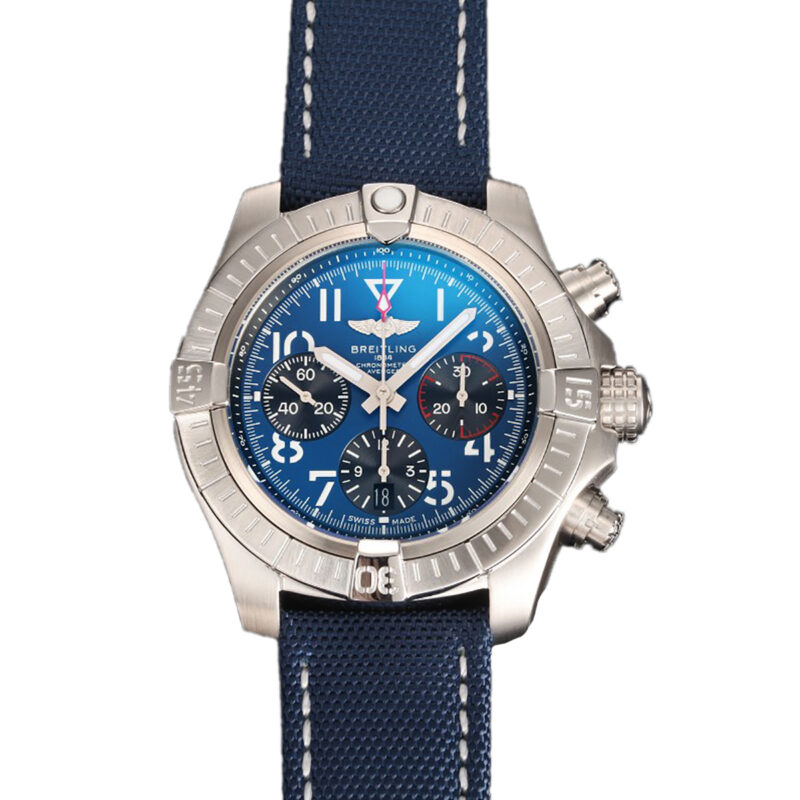 However, it is essential to distinguish between different tiers of replicas. Low-end fakes are easily identified by poor finishing on the edges and lightweight materials. In contrast, high-end premium replica watches employ CNC Cartier Replica Watches machining to ensure that the metal components have sharp, clean lines. They often use "904L" steel, which is famously used by certain Swiss giants, to provide that specific high-polish sheen.
Styling Your Timepiece: A Comprehensive Horological Style Guide
One of the most common questions among enthusiasts is how to pair a watch with an outfit. A watch is the "exclamation point" of a wardrobe. To master this, one must understand the relationship between the watch's proportions and the wearer's lifestyle.
For a formal setting, such as a black-tie event or a high-stakes boardroom meeting, the goal is elegance and subtlety. A vintage watch style, characterized by thin profiles and leather straps, is the gold standard here. Think of a classic dress watch with a 38mm to 40mm diameter. A gold or rose gold case paired with a black alligator leather strap creates a timeless aesthetic that complements a tailored suit perfectly. Here, the watch should be visible but not ostentatious.
In contrast, the modern professional wardrobe often leans toward "business casual." This is where a diver-style watch or a luxury chronograph shines. A stainless steel oyster bracelet provides a rugged yet polished look that transitions seamlessly from the office to a dinner date. When building a mens watch collection, having a versatile "GADA" (Go Anywhere, Do Anything) watch is essential. This is often a 42mm watch with a rotating bezel and a water-resistant construction.
For women, the trend is shifting toward oversized "boyfriend" watches and bold, chunky gold links. Womens luxury watches are no longer just about dainty aesthetics; they are about presence. A large gold-tone watch with a link bracelet can anchor a simple white shirt and jeans, providing a sense of "quiet luxury" that feels both modern and sophisticated.
Modern Watch Trends and Comparative Analysis
To understand where the market is going, we must compare the heavy hitters of the industry.
Rolex vs. Omega: The Battle of Icons
The Rolex Submariner is the undisputed king of the diver category. Its appeal lies in its proportions and the "presence" of the Oyster bracelet. However, Omega has carved out a significant niche with the Seamaster and the Speedmaster. While Rolex leans into "perpetual" heritage, Omega often pushes the boundaries of material science, usingZrO2 (ceramic) and Co-Axial escapements. For a collector, choosing between these involves a choice between "The Standard" (Rolex) and "The Innovator" (Omega).
Cartier vs. Hublot: Elegance vs. Avant-Garde
If you prefer a vintage watch style, Cartier is the pinnacle. The Tank and Santos models represent the pinnacle of geometric design. They are understated and aristocratic. On the opposite side of the spectrum sits Hublot. Hublot is known for its "Art of Fusion," mixing high-tech materials like carbon fiber and titanium with traditional watchmaking. This is the choice for the individual who wants their watch to be a conversation starter rather than a whispered secret.
The Rise of the "Quiet Luxury" Aesthetic
Recently, we have seen a move away from "logomania." Many enthusiasts are opting for watches that don't scream their brand name from a mile away. This trend favors clean dials, brushed finishes, and unique complications. This is where the Watches Replica market has seen a surge in demand for "no-logo" high-quality builds that focus purely on the silhouette and the feel of the piece.
User Experience: A Deep Dive into the "Super Clone" Experience
To provide a balanced perspective, let's look at a hypothetical user review for a popular high-tier Watches Replica—specifically, a "Super Clone" of a professional diver watch.
User Review: "The Weight of Authenticity"
"I’ve been in the watch community for five years, and I finally decided to pick up a high-tier replica of a Submariner-style diver. My main concern was the 'hand feel.' Most replicas feel like toys—they are too light and the bezel feels like plastic. However, this piece was different. The 316L steel gave it that satisfying heft on my wrist. When I clicked the rotating bezel, it had that distinct, tactile 'click' that you expect from a luxury piece. The dial has a beautiful deep blue gradient, and the lume is actually functional, lighting up the entire face in the dark."
"What surprised me most was the finishing. The brushed surfaces on the lugs are seamless, and the polished edges catch the light just right. While I know it isn't the original, for the price I paid, it fulfills my need for the aesthetic. It pairs perfectly with my daily suits, and honestly, most people in the office can't tell the difference. It's a great way to enjoy the design of a masterpiece without the five-figure price tag."
This review highlights a growing sentiment: for many, the "jewelry" aspect of the watch is as important as the movement. If the watch looks, feels, and weighs like the original, it fulfills the psychological need for style.
The Importance of Maintenance and Longevity
Regardless of whether you own an original high-end timepieces or a high-quality Watches Replica, proper maintenance is key to longevity.
Cleaning: Sweat, skin oils, and dust can accumulate in the links of a bracelet or around Watches Replica the bezel. Use a soft microfiber cloth and a small amount of watch cleaner to wipe down the piece weekly.
Water Resistance: Even if a watch is marketed as "waterproof," it is best to avoid high-pressure water (like showers or swimming) unless you are certain of the gaskets' integrity. For replicas, the seals are often less durable than the originals.
Storage: Avoid leaving your watch in direct sunlight or high-humidity environments. For automatic watches, it is often recommended to let the watch rest for a few days every month to ensure the lubricants stay evenly distributed.
Conclusion: The Art of the Wrist
The world of watches is vast and endlessly fascinating. From the intricate gears of a mechanical movement to the sleek lines of a modern ceramic diver, there is a timepiece for every personality. As the demand for luxury watch aesthetics continues to grow, the role of Watches Replica will remain a significant part of the cultural landscape. They provide a bridge for those who love the "look" and "feel" of horology but operate within different financial realities.
By understanding the materials, mastering the art of styling, and staying informed on current trends, you can curate a watch collection that reflects your personal taste. Whether you are hunting for a vintage watch style to complete a retro outfit or seeking out premium replica watches to explore the design world, the goal remains the same: to wear a piece of history, art, and engineering on your wrist.
Frequently Asked Questions
Q1: What is the main difference between a cheap fake and a high-quality Watches Replica?
The difference lies in the "finishing." Cheap fakes use cast metal, which is porous and lacks sharp edges. High-quality replicas use CNC machining, which allows for precise angles, polished surfaces, and Clone Watches correct weight proportions. They also typically feature sapphire crystals rather than acrylic or mineral glass.
Q2: Can I wear a replica watch to a formal event?
Yes, many high-tier replicas are designed with "super clone" accuracy. If the finishing is high-quality and the materials (like leather and steel) look authentic, they can easily pass for a luxury piece in a social setting.
Q3: How do I choose the right watch size for my wrist?
For a classic look, a 38mm to 40mm diameter is generally safe for most wrist sizes. If you prefer a more "sporty" or modern look, 42mm to 44mm is common. The key is proportion; the watch should not overhang the edges of your wrist significantly.
Q4: Are replica watches worth it for beginners?
For those who are just starting to explore affordable horology and want to understand the various styles (diver, chronograph, dress), replicas allow you to "try on" different aesthetics without a massive financial commitment. It is an excellent way to learn your personal preferences before moving into the high-end market.
Q5: How do I keep my watch looking new?
Avoid wearing your watch with heavy machinery or in environments with lots of dust. Use a microfiber cloth to wipe it down daily to remove skin oils, and consider a dedicated watch box to protect it from scratches when not in use.
You can find Replica watches here : Watches Replica